If you have a portable pool, such as an Intex® pool, taking it up and down every year can become a lot of work. If you live in an area where the temperatures don't drop below 41°F over the winter, then you may be able to winterize your pool like you would an above ground pool, though you should always follow the specific instructions from the manufacturer.
To close a portable pool for the winter, first remove debris and disconnect the pool from its equipment. Drain the pool according to the manufacturer's instructions, then rinse and thoroughly dry the liner and all the components. Disassemble the frame if your pool has one, fold the dry liner, clean and dry the pump, filter, and accessories, and store everything in a dry location protected from freezing temperatures. Always follow your pool manufacturer's instructions because draining and storage procedures vary by model.

The supplies that you need to winterize your pool will vary depending on the climate you live in and the exact pool that you own, but this is a general list that will cover most areas and pools.
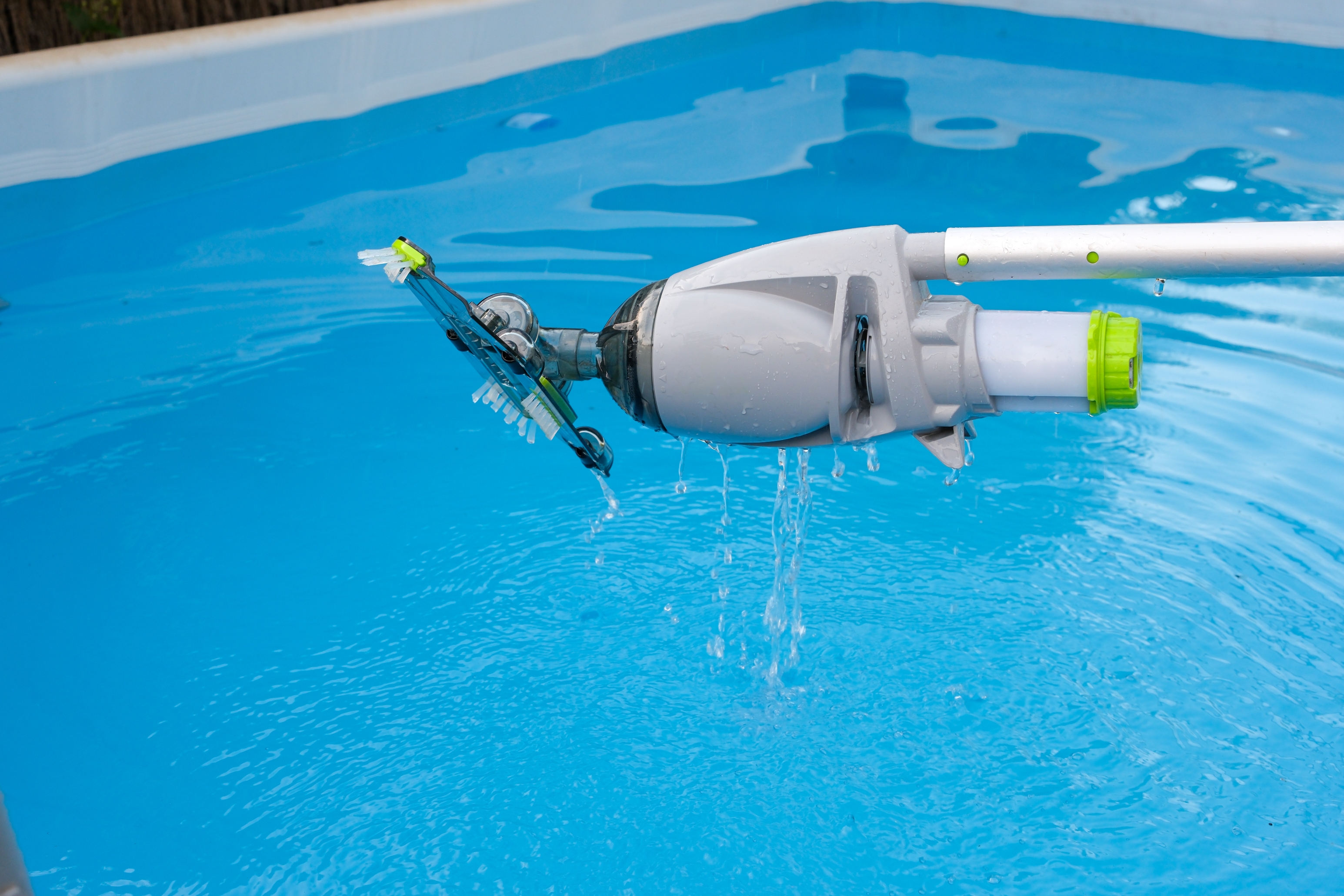
Debris can easily clog your pipes, so thoroughly clean your water and vacuum your pool to remove any leaves, dirt, and debris before draining. Also, check local ordinances about draining your pool after chemical treatment.
Disconnect your pool from all power sources and remove any attached accessories like your ladder or skimmer. Clean and dry all of the parts before storing them in a clean, dry area over the winter. Inspect the strainer, debris screen, and other removable components. Clean or replace damaged or worn parts according to the manufacturer's recommendations.
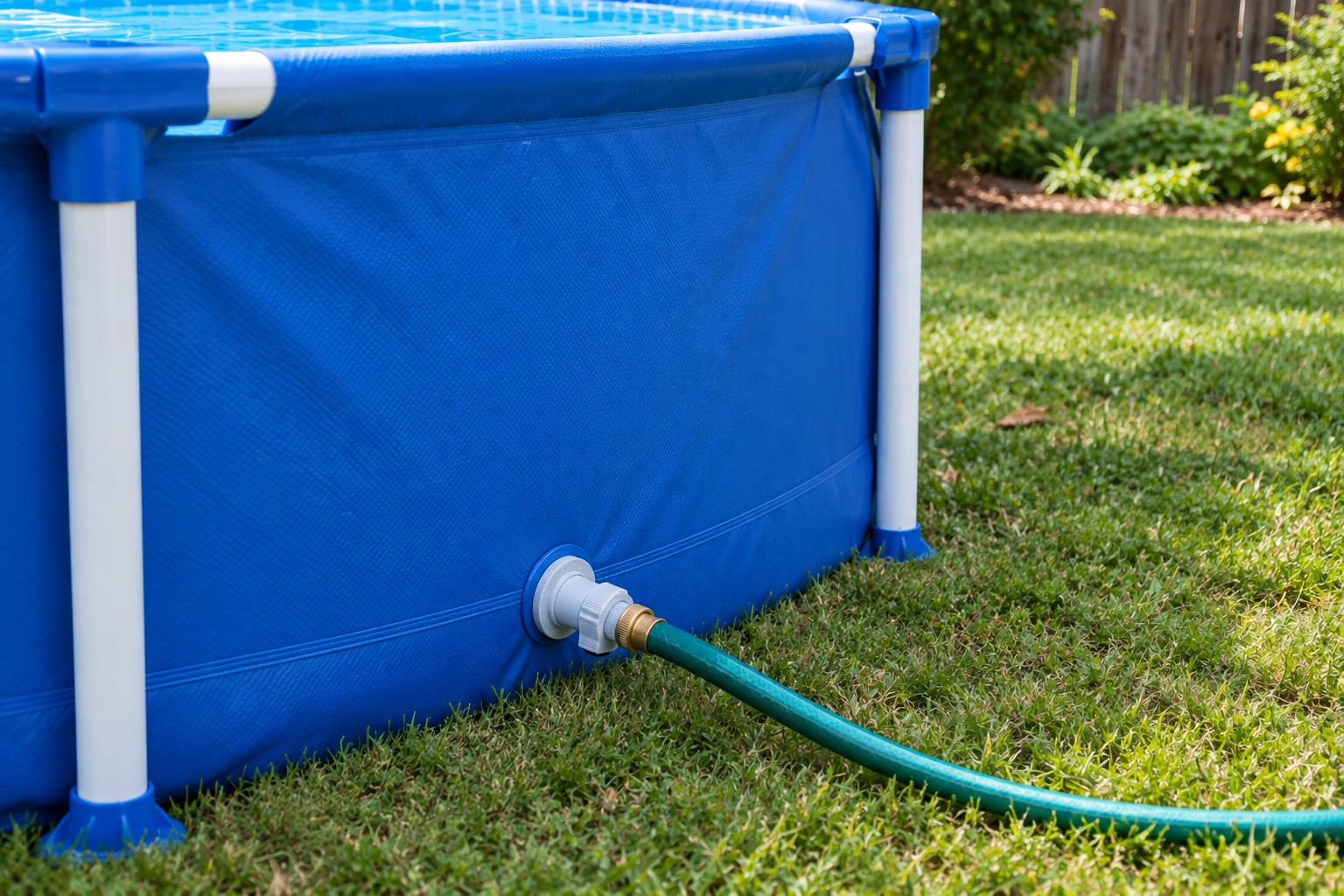
Whether you have an inflatable or a metal frame, the same instructions apply to draining your pool. Check the drain plug inside the pool, and ensure it's securely in place. Find the drain connector that came with the pool, and attach the female end of your garden hose to the thin end of the drain connector.
Once your hose is securely hooked up, point the other end away from your house and any other structures. This is because emptying water near a building's foundations can cause severe structural damage.
Do one last check to ensure your hose is in the proper draining position before removing the cap from the drain valve and pushing the drain connector into the valve. This will disrupt the inner drain plug, causing water to dlow out of your pool. Tighten the connection between the connector and valve to ensure it remains secure while draining.

Draining your pool may take some time, so be sure to check in on the progress periodically. Ensure the connector remains tightly connected and that the hose is still directed away from any buildings.
But you don't have to wait for the pool to drain! Now is a great time to start cleaning the pool walls with a multi purpose cleaner and a soft cloth.
The water will eventually reach a level at which it can no longer drain. Follow your manufacturer's directions for removing the remaining water. Do not force, drag, or excessively manipulate the pool liner while draining.
Remove the drain connector and your garden hose, and then replace the inside drain plug and outside drain valve cap. This way, they get folded up along with the rest of the pool, and you won't lose them over the winter.
Wipe down the inside of your pool with a soft cloth, warm water, and a multi purpose cleaner. Thoroughly rinse your pool, and be sure to drain any excess water.
You then want to let the liner air dry completely. Once all water has evaporated, sprinkle a little talcum powder or cornstarch over it to absorb any remaining moisture and prevent sticking.
If your model has a frame, reverse the assembly instructions in your owner's manual to take it down. Clean and dry the pieces before you store them in a clean, dry location over the winter.
This process is like folding up a fitted sheet. To bring the sides of the circle in, keep folding it in on itself. Your owner's manual may have specific instructions. It doesn't need to be perfect (as long as your liner is completely dry), but the neater the fold is, the less space it will take up, and you may be able to store it in its original packaging.
If your manufacturer specifies a minimum temperature for folding the liner, follow that recommendation. Folding PVC while it is very cold can increase the risk of cracking or damage.
Any water that remains in your filter or pump can lead to mold and bacterial growth over the winter. Make sure that all of the water is drained out of your accessories, clean them with a multi purpose cleaner, let them air dry, and then store them in a clean, dry area over winter.
Clean the filter cartridge according to the manufacturer's directions. Inspect it for damage or excessive wear, and replace it if it is no longer suitable to use. If your pool uses a sand filter, follow the manufacturer's instructions for cleaning, draining, and storing the filter.
Keep all the parts of your pool indoors in a dry area that isn't exposed to any freezing temperatures or direct sunlight. Keep it away from chemicals, rodents and other pests, and sharp objects, using the original packaging where possible. Don't put heavy objects on your folded liner.
Drain your portable pool in an area where the water can safely disperse without reaching your home's foundation, neighboring property, or other structures. Check local regulations before draining chemically treated pool water, as some municipalities restrict where you can discharge pool water.
Whether you can leave a portable pool assembled during winter depends on the specific pool and the manufacturer's instructions. Many seasonal inflatable and frame pools are designed to be drained, dismantled, and stored rather than left outdoors in freezing weather. Pools designed for year-round use may have different winterization requirements. Check your owner's manual before leaving a portable pool assembled over the winter.
Yes. Drain most seasonal portable pools before winter, especially in areas with freezing temperatures. After draining, rinse and thoroughly dry the pool liner and other components before storing them. However, always follow your pool manufacturer's specific draining and storage instructions, as procedures may vary by model.
There isn't one temperature that applies to every portable pool. Freezing temperatures can damage water-filled pools, pumps, hoses, and other components, and even slightly cooler temperatures can make PVC less flexible. Always follow your manufacturer's temperature and winter storage recommendations rather than relying on a universal cutoff.
To clean a portable pool before winter storage, drain the pool and rinse the liner with clean water to remove dirt, debris, and chemical residue. Clean the liner with a mild soap or cleaner, then rinse it thoroughly so that no cleaning residue remains. Clean the frame, pump, filter, and other accessories according to their manufacturer's instructions, and make sure everything is completely dry before storage.
After cleaning your portable pool, lay the liner flat in a clean, dry area and allow it to air-dry completely. If the manufacturer recommends it, sunlight can help dry the liner, but do not leave the pool exposed to sunlight for any longer than necessary. Use a clean, dry cloth to remove any remaining moisture from seams, folds, valves, and other areas where water can collect. Never fold or store the liner while it is still damp, as trapped moisture can encourage mold growth and damage the material.
To fold a portable pool liner, make sure that it is completely dry and clean first. Remove any dirt or debris, and then fold the liner according to the manufacturer's instructions, using loose, even folds rather than tightly creased folds. If your manufacturer specifies a minimum temperature for folding the liner, follow that recommendation because PVC can become less flexible in cold temperatures. Store the folded liner in its original packaging or another suitable container.
To store a portable pool pump and filter for winter, disconnect the equipment, drain any remaining water and clean the components according to the manufacturer's instructions. Clean and completely dry filter housings, hoses, screens, and other removable parts before storing them. Cartridge filters should be cleaned or replaced as recommended by the manufacturer, while sand filters should be prepared according to their specific winter storage instructions. Store the equipment in a dry location protected from freezing temperatures.


