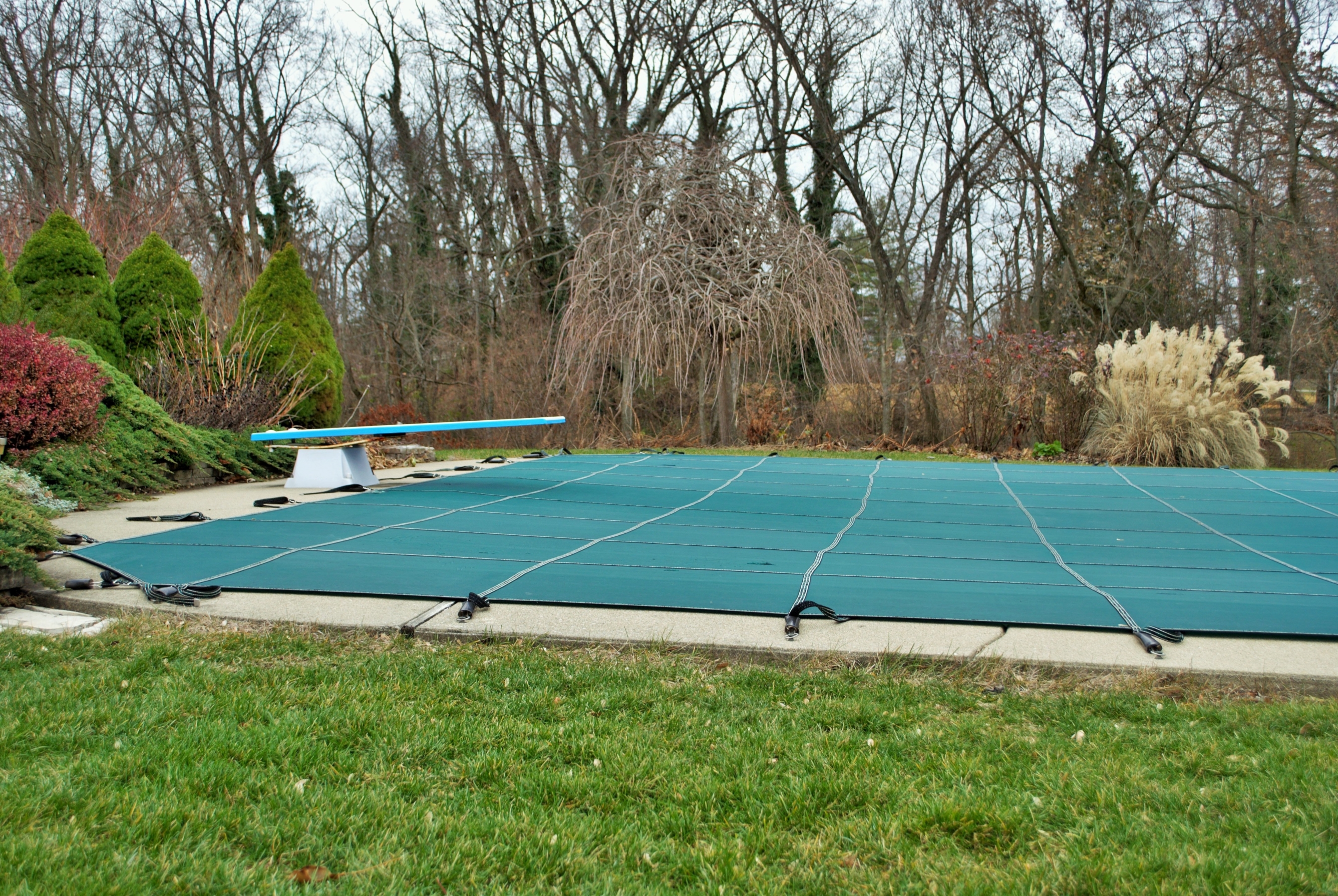
It’s that dreaded time of year again, the time we close our pools down for the winter. For those in the US, National Pool Closing Day falls on the third Saturday of September, or September 18th in 2026.
Closing your pool for winter is more than simply draining the water and putting on a cover. Proper pool closing protects your pool, equipment, and water quality throughout the off-season, helping you avoid algae growth, freeze damage, and expensive repairs when it’s time to open your pool again.
Whether you have an inground or above ground pool, we have teamed up with The Chlorine King to provide a Pool Closing Masterclass and walk you through everything you need to know.
The calendar can give us a window for when to close our pool, but Mother Nature will make the final decision for exactly when the pool needs to be shut for the season.
The ultimate deciding factor for pool closing is water temperature. You’re looking for when the water temperature is consistently around or below 60°F.
If you close too early, you run the risk of the water remaining warm enough to promote algae growth, leading to a green, swampy pool come spring. Closing too late can risk your equipment and plumbing freezing, leading to expensive repairs.
We’re used to really harsh winters, hence our line of Buffalo Blizzard® winter closing supplies, designed to withstand even the bleakest of New York winters.
But if there’s one thing to take away, it’s to trust your thermometer more than the calendar. Just because the internet recommends a certain weekend to close your pool, doesn’t mean it’s best for your specific circumstances.
You can’t chemically close a dirty or unhealthy pool.
The first step you want to take when you’re coming to close your pool is to fix any algae or cloudiness issues. These issues could worsen if left over the winter and make a harder time for you when opening next spring.
Test and balance your pool several days before you plan to close your pool, protecting your pool and its equipment from corrosion and scale buildup when the pool is closed. Balance your alkalinity, then your pH, and then your sanitizer.
Your water should be within the following ranges:
For more help on balancing your pool, check out our blog on How To Balance Pool Water.
When you’re starting to close your pool, brush, vacuum, and remove debris before you clean and backwash your filter.
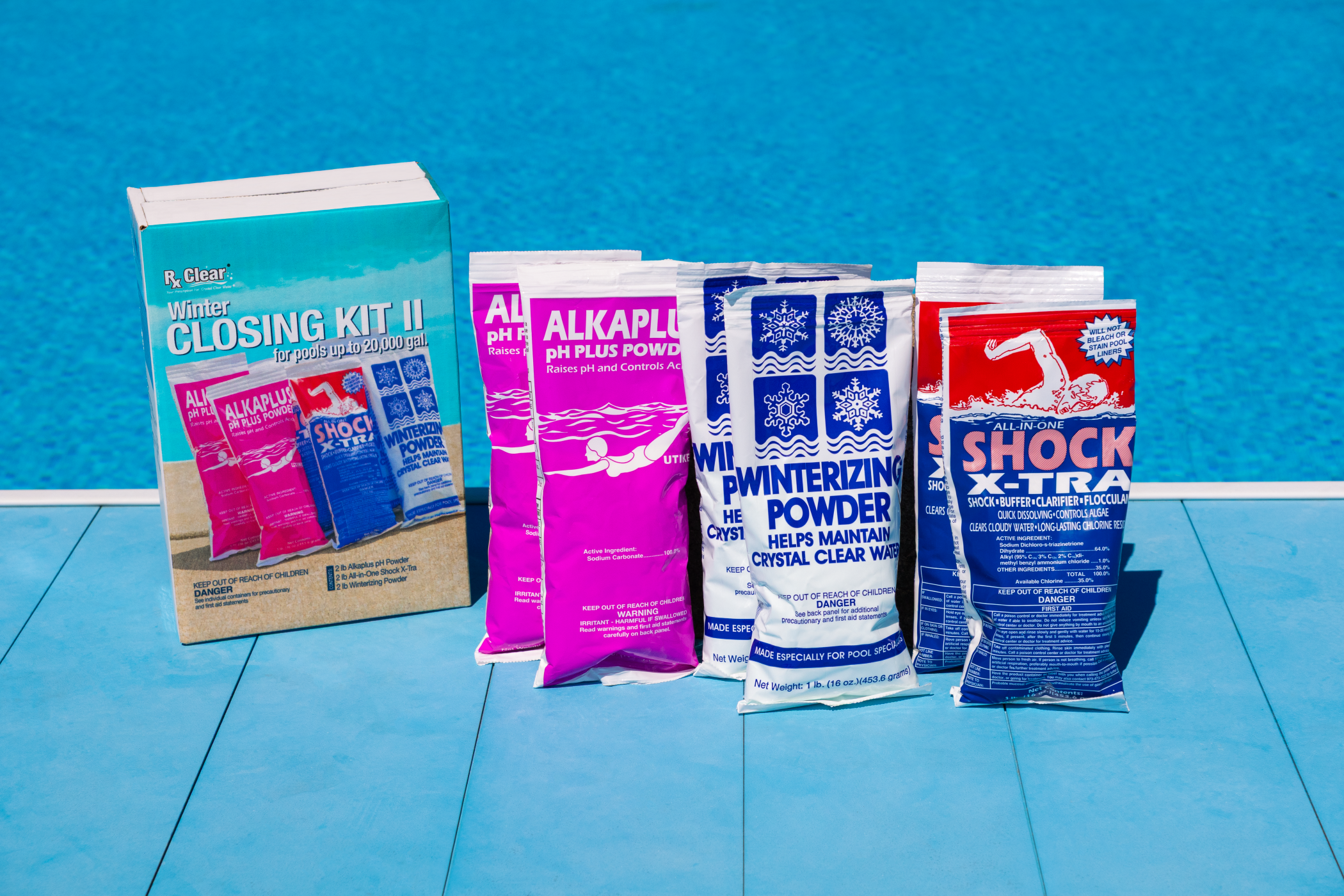
We recommend using Rx Clear® Closing Kits, as they are pre-measured by pool gallon capacity and come in both chlorine and non-chlorine options.
Add the closing products in the instructed order, allowing the proper circulation time between each. You should never mix different undissolved chemicals together.
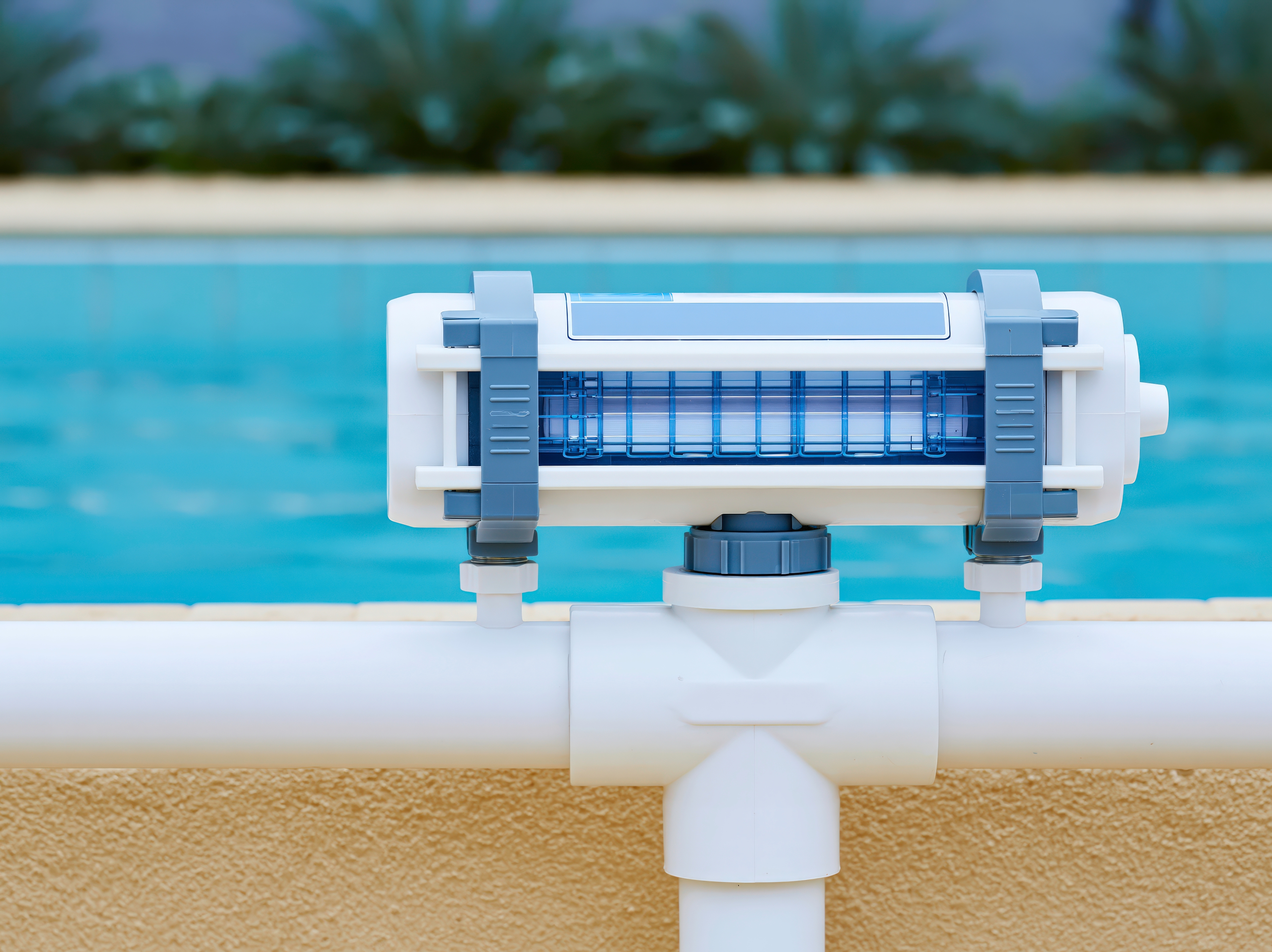
Saltwater doesn’t mean that your pool is maintenance-free, and it definitely doesn’t mean freeze-proof.
You will need to follow the same basic closing steps as chlorine pools, as cold water reduces or completely stops the generation of chlorine by your salt cell.
Test, balance, and sanitize your pool before you shut it down, then inspect your salt cell for scale. You should clean your salt cell only when it’s needed, as overcleaning shortens the life of your cell. Drain it completely, before removing and storing it - or using a dummy cell if your manufacturer recommends. It’s important to always follow the specific system manual.
We recommend the Rx Clear® Salt Water Closing Kit, which is specially formulated for saltwater pools. It helps to control algae, scale, and staining, all while providing added protection for the salt cell.
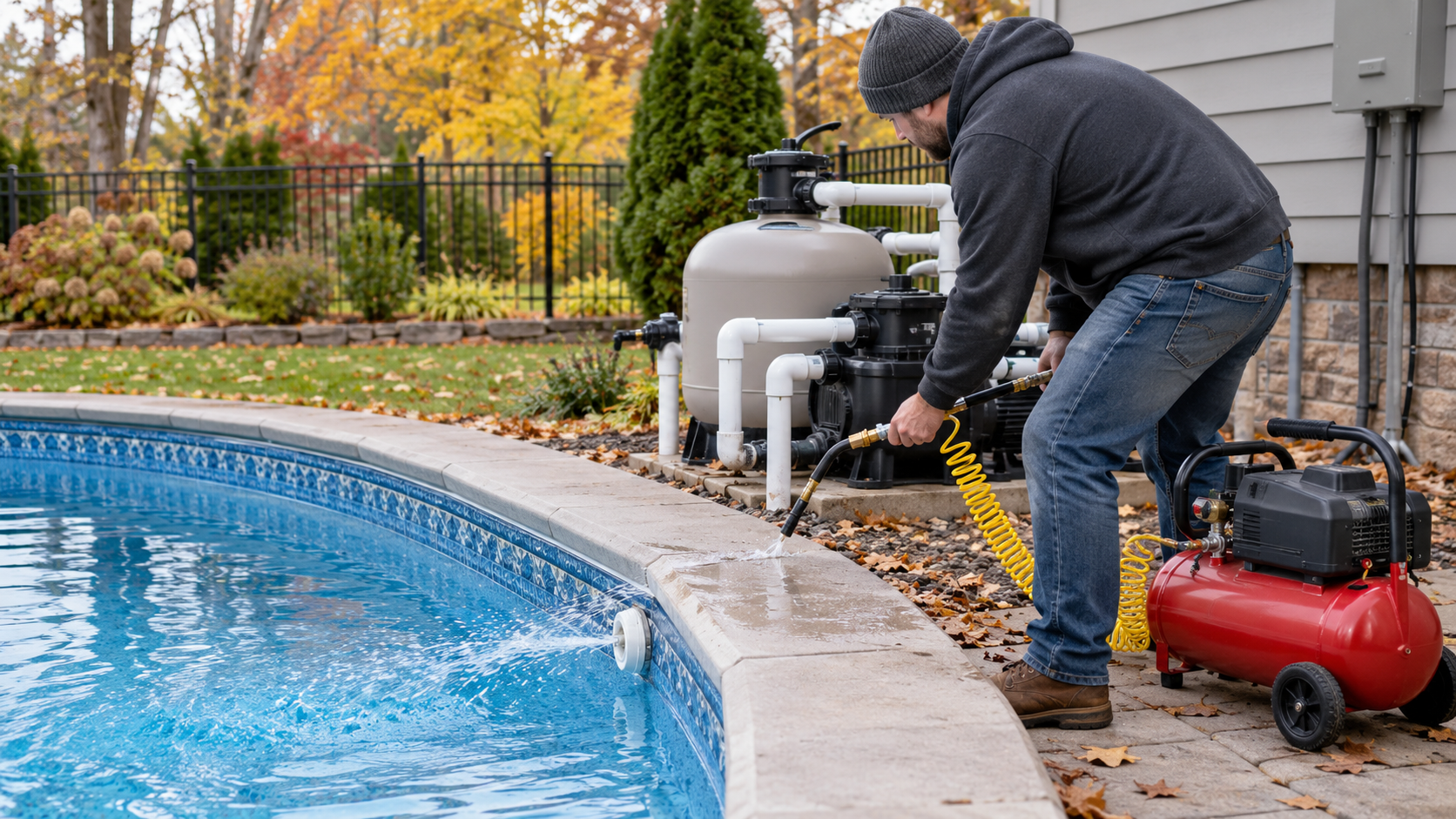
This is the part where homeowners need to know their comfort level. If you’re not handy or feeling comfortable, it’s best to call a professional rather than try and do it yourself.
This is the most critical freeze-protection step. A pool line blower is the preferred tool, but if you have a simpler system then a wet/dry vac might work. Always be careful with compressors, as pool systems are not built to handle high pressures and can damage the equipment.
You need to clean each path individually:
But what about lowering your water level? Unfortunately, there’s no universal “drain it 18 inches” rule to follow.
If you have an above ground pool, then a skimmer plate may allow you to keep your water level near-normal, otherwise you should lower it below the skimmer or return. Inground pool levels depend on your pool and cover type.
You should never completely drain any pool, as this can put undue stress on the walls and cause damage to the liner.
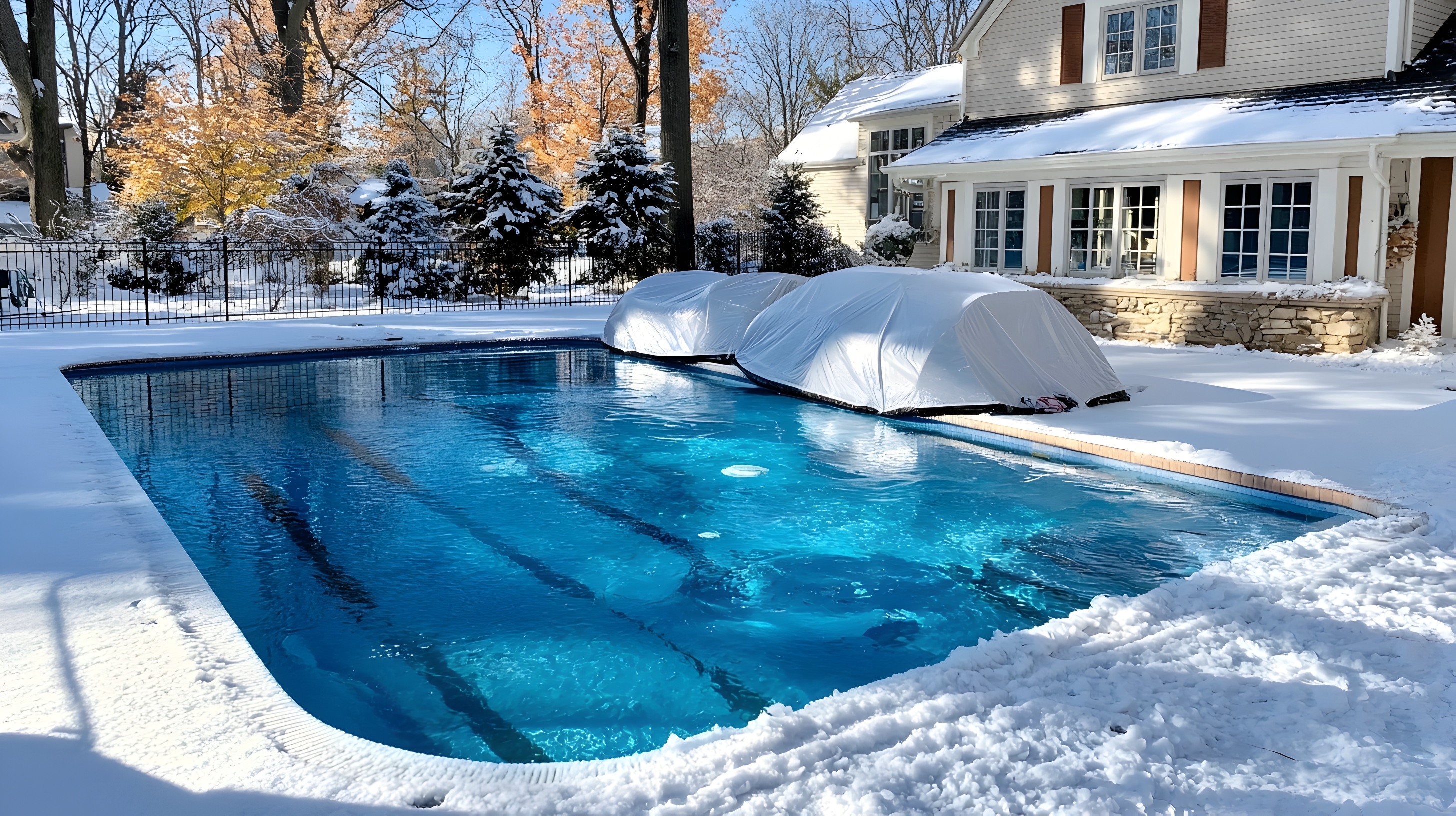
Pool antifreeze is supplemental protection, not a substitute for blowing out the lines.
Pool antifreeze is useful for low spots or water that can’t be fully removed, but your lines still need to be blown out before it’s added. It’s designed if you have any sags or bows that you can’t get the water completely out of.
Never use automotive antifreeze as it may contain toxic ethylene glycol. Instead, look for non-toxic pool / RV plumbing antifreeze. This is safer for your pool, and for you, when swimming season starts.
Always follow the label for dosage and application, as more antifreeze is not automatically better. If your equipment should remain dry, you shouldn’t pour antifreeze through it.
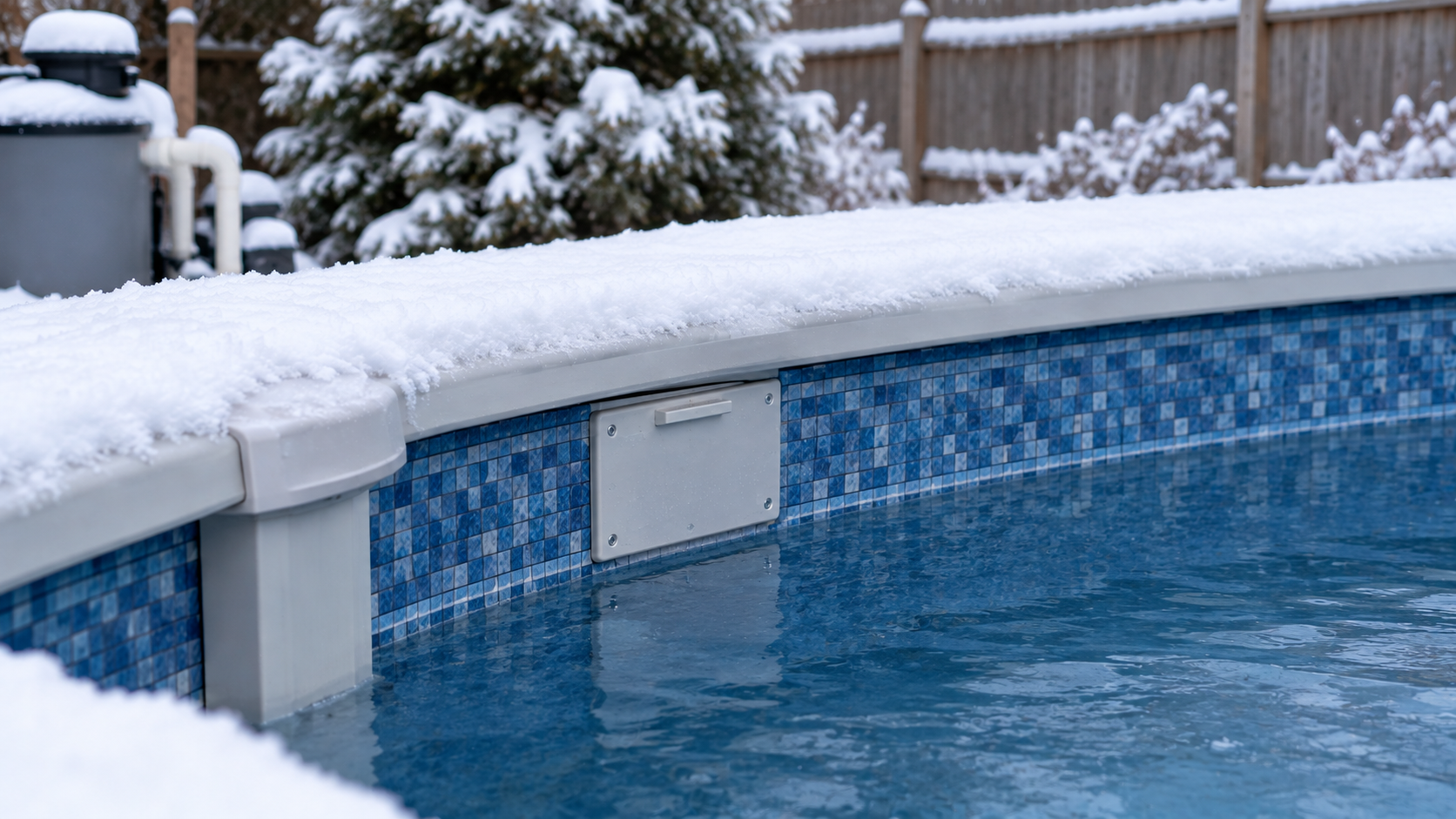
Keep water out, and give any ice somewhere safe to expand.
Blow out and seal the skimmer line, before using the correct winter plug or Gizzmo®. The Gizzmo® will seal the line and absorb ice expansion. You should protect your skimmer even if the water has been lowered, as rain and snowmelt can raise water levels during winter. A Gizzmo® is a small investment that acts as a sacrificial lamb vs. having to replace an entire cracked skimmer.
If you have an above ground pool, use a fitted skimmer closure plate, otherwise keep the water safely below the skimmer. This is something that you need to monitor throughout the winter, as rain and snowmelt can raise your water level.
Taking shortcuts in the fall is just going to cost you more time, effort, and money in the spring, so this is something that you need to take your time with. Make sure to do every step completely and properly, even if you don’t think you need to. Sudden freak deep freezes can happen without warning so it’s important to be prepared.
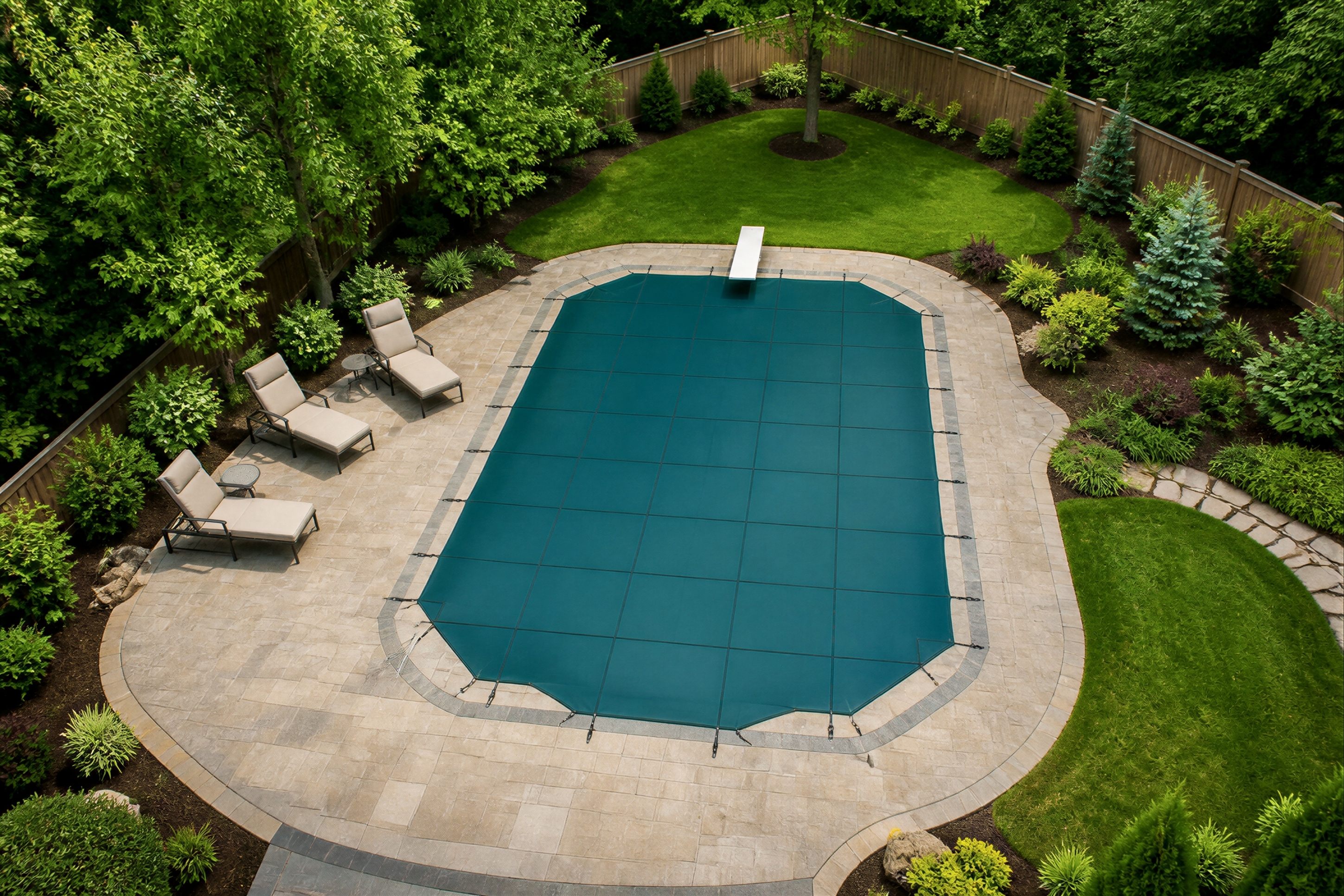
First off, we need to get something clear - a winter cover and a safety cover are not the same thing.
A traditional winter cover provides you with economical protection from sunlight and debris, which isn’t designed to support a person or pet. If you use a solid winter cover, you’ll have to remove standing water throughout the winter with either a siphon or a cover pump.
A safety cover is anchored into your deck and restricts pool access when it’s properly installed. They are designed to withstand the weight of people, pets, and objects, helping to stop accidents before they happen.
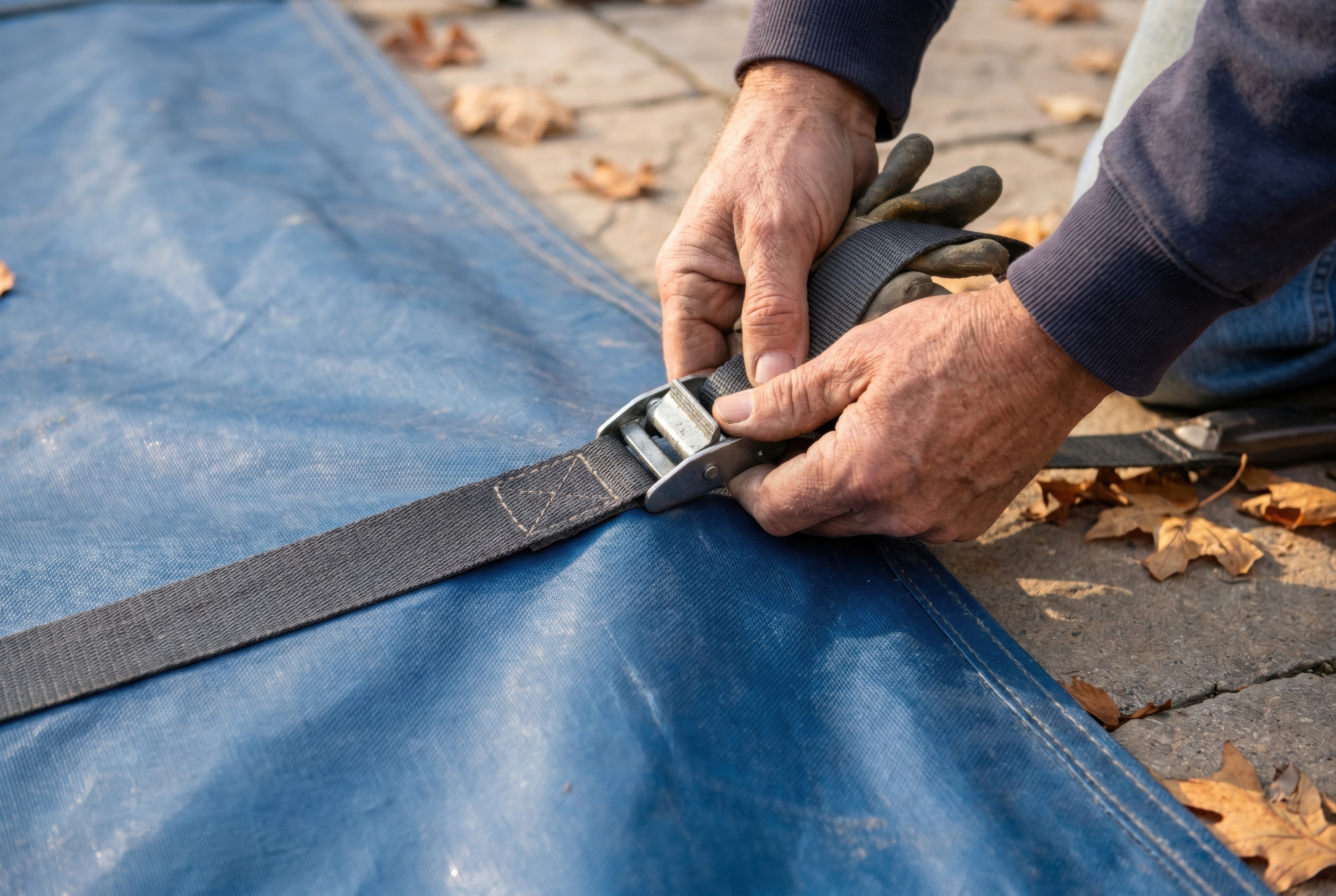
Inground pool winter covers need to be secured with water bags or reusable blocks to keep them in place. Never use bricks, patio blocks, or sharp objects as they can damage your winter cover.
For an above ground cover, weave a cable and winch system throughout the grommets and tighten it onto your pool. We also recommend using cover clips in order to keep your cover secured to the top rail, preventing wind from getting underneath.
A mesh winter cover is lighter and drains automatically into your pool throughout the winter season, whereas a solid cover blocks more sunlight and debris but requires a pump to drain it throughout the winter season.
We recommend Buffalo Blizzard® winter covers as they are engineered to withstand even the harsh Western New York winters. They provide above ground and inground options, as well as Buffalo Blizzard® water bags and Blizzard Blocks.
Water bags and Blizzard Blocks should be filled only ½ to ¾ full to allow for freeze expansion.
Also available is the Buffalo Blizzard® Air Pillow for above ground covers to manage any ice pressure in your pool, rather than tenting the entire cover.
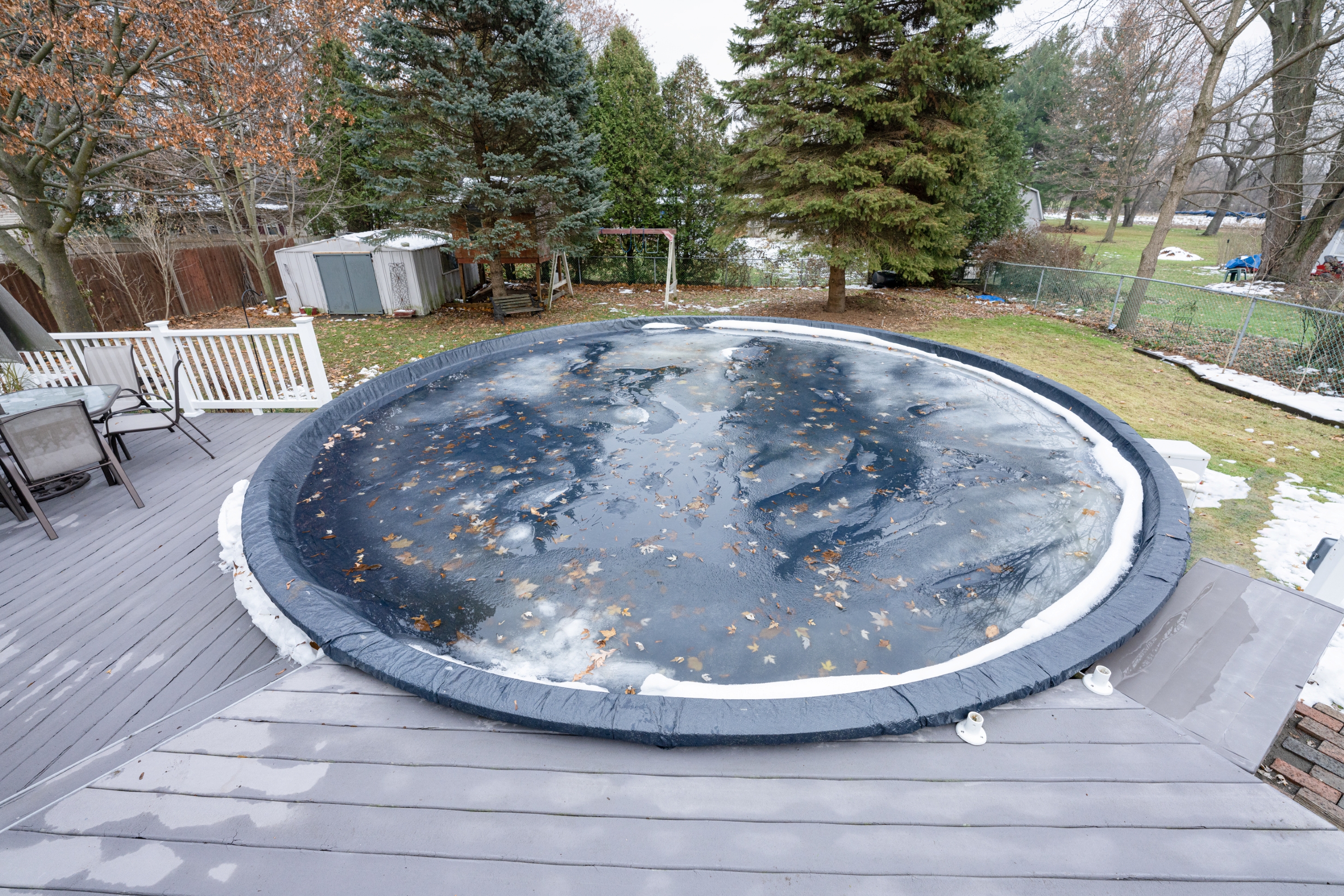
If you have a solid winter cover, you will need to periodically pump water off of your pool cover in order to prevent straining and the risk of tearing your cover. But even if you have an automatic cover pump, that doesn’t mean you can just forget about it until the spring.
Always check your pump after rain, snow, and freeze-thaw cycles, and clear leaves and debris from intake. Check for kinked or frozen discharge hoses, and make sure that water is being routed away from your pool and house. Don’t chip a frozen pump out of the ice, and make sure you use a safe, GFCI-protected outdoor power.
On top of pumping water off your winter cover, periodically inspect your cover, anchors, cable, and water bags. Keep track of the water level underneath your cover, to make sure it hasn’t gotten too high.
If you don’t want an electric cover pump, then consider the Aqua Select® Cover Siphon for above ground pools. There’s no electricity needed; just start it manually and watch gravity remove the water for you.
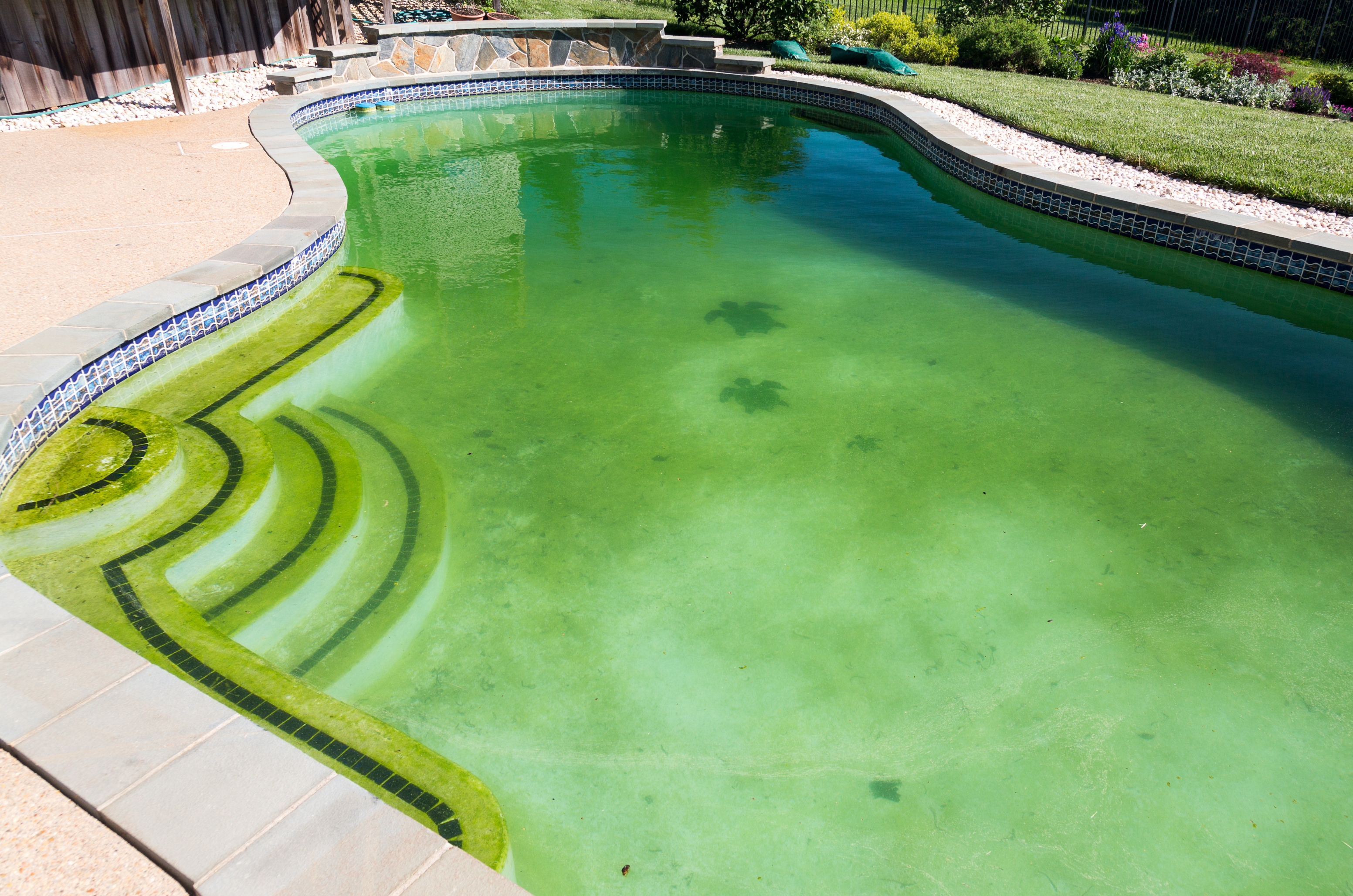
The biggest mistake people make is treating closing like a one-afternoon event. Closing your pool is a process that could take up to a week, and needs to be treated as such.
One of the main mistakes people make is throwing in their chemicals and immediately covering, closing warm, dirty, or unbalanced water, leaving debris or an existing algae problem.
A closing kit will preserve prepared water, it can’t fix water that has been neglected.
The hidden trap is rushing to close your pool, rather than taking your time and ensuring that your pool is closed properly.
The most common frustration you’ll see is green water come spring. Blowing out your pool lines can also be a struggle to get right on the first try, and if you don’t blow out your lines correctly this can lead to a very expensive mistake as one missed line or piece of equipment can crack. If you don’t feel confident in blowing out your lines, consider hiring a pool professional.
We recommend using our guides on:
But the short answer?
Balance it, clean it, treat it, circulate it, cover it.
Make sure everything is balanced first before you start doing anything with your pool. Remove any debris, dust, leaves, etc., so your pool doesn’t get murky during the winter. Treat it with our chemical kit before you cover it up for winter.
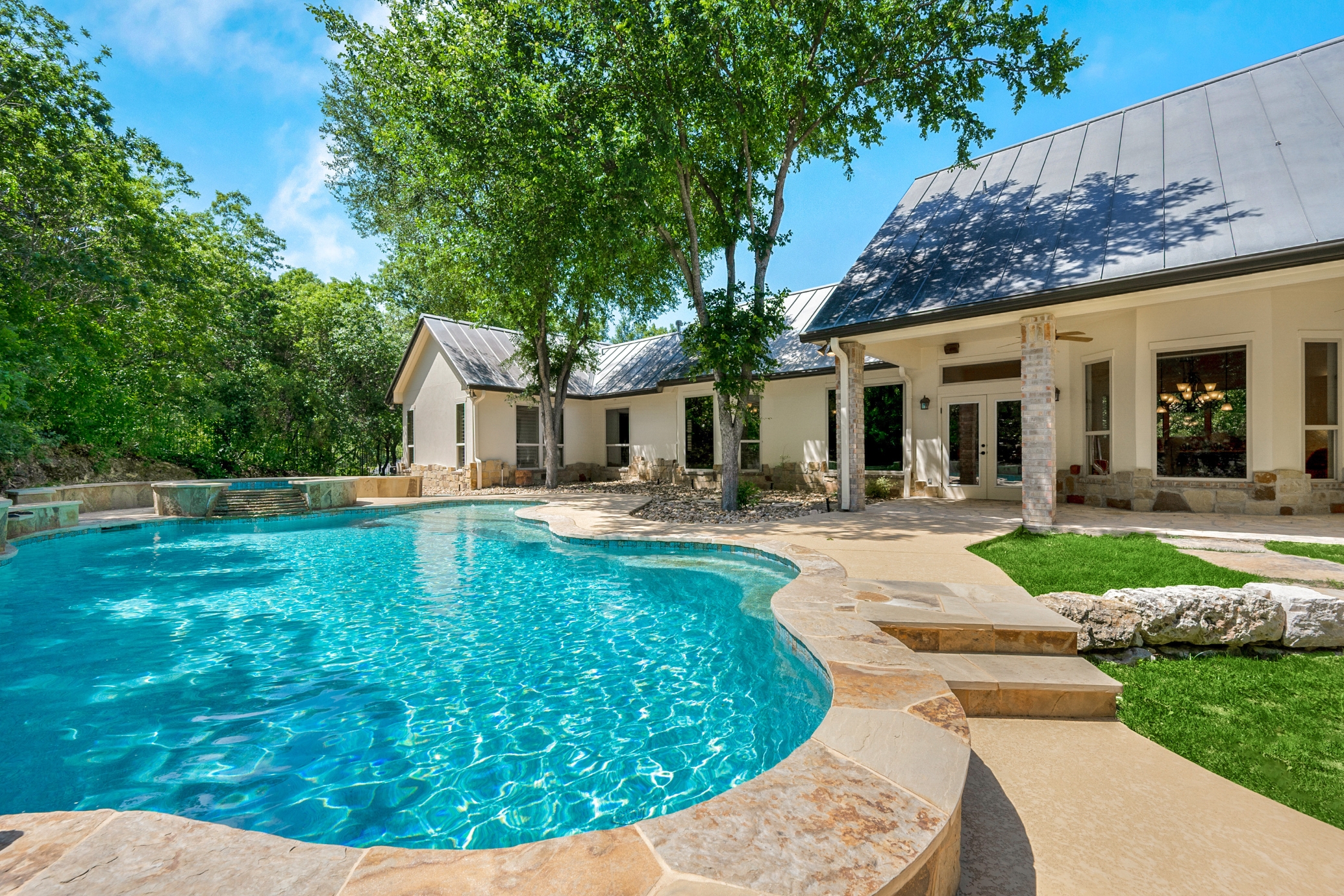
Opening should feel like you’re restarting the pool, not rescuing it.
Remove and clean your cover, reinstall plugs, fittings, and equipment and restore the water level back to normal. Start your circulation, test and balance your water. Some debris or cloudiness is normal in the spring, but an algae swamp or freeze damage should not be.
A proper close saves time, chemicals, and frustration come spring.
We recommend Buffalo Blizzard® to protect your pool from winter conditions, and Rx Clear® to help preserve the water throughout the off-season.
The best pool opening begins with the way you closed it six months earlier.
We teamed up with The Chlorine King to give you a masterclass on closing your pool for the winter:


