We’ve teamed up with The Chlorine King for another podcast, this time going over all the issues that may have occurred in your pool this summer, as well as what you can do to prevent them in the upcoming season.
Now that the summer is over, we’re settling down for a peaceful off season. But you may still have some questions about the headaches you’ve had with your pool this summer. We’re here with The Chlorine King to answer some of your most asked questions about what went wrong over the summer, and how you can have a smoother swimming season next year.

The main issue is that many DIY homeowners don’t understand the full chemistry of their pool, which can lead to an overreliance on chlorine and shock as the only tools in their arsenal to keep their pool chemicals in balance. Although chlorine and shock alone can often solve problems in the short term, it doesn’t address the underlying issue and may actually cause more problems later on.
It’s important not to just blindly throw shock into your pool, but to understand the chemical balance underneath it all. Too much shock can cause issues with pool equipment, pool surfaces, and irritate your eyes, skin, and hair. Instead, you will need to use other chemicals such as clarifiers, algaecide, and pool balancers to ensure that the pH, alkalinity, and hardness levels are at the correct levels.
To research further into what chemicals your pool needs, check out our blog The Chemicals Behind a Balanced Pool.
Now we’re coming into the off season, whether you’re closing your pool or not, you’re given the opportunity to reset your pool’s chemistry between seasons which can help you with a smoother experience come next year. Take the time to test and balance your pool, learn its unique chemistry, and learn what to do next summer to really make pool ownership.
We recommend starting by looking at our blog’s chemical category to research further. If you need more help, reach out to a pool professional, like The Chlorine King or our trained pool specialists who remain open all year round.
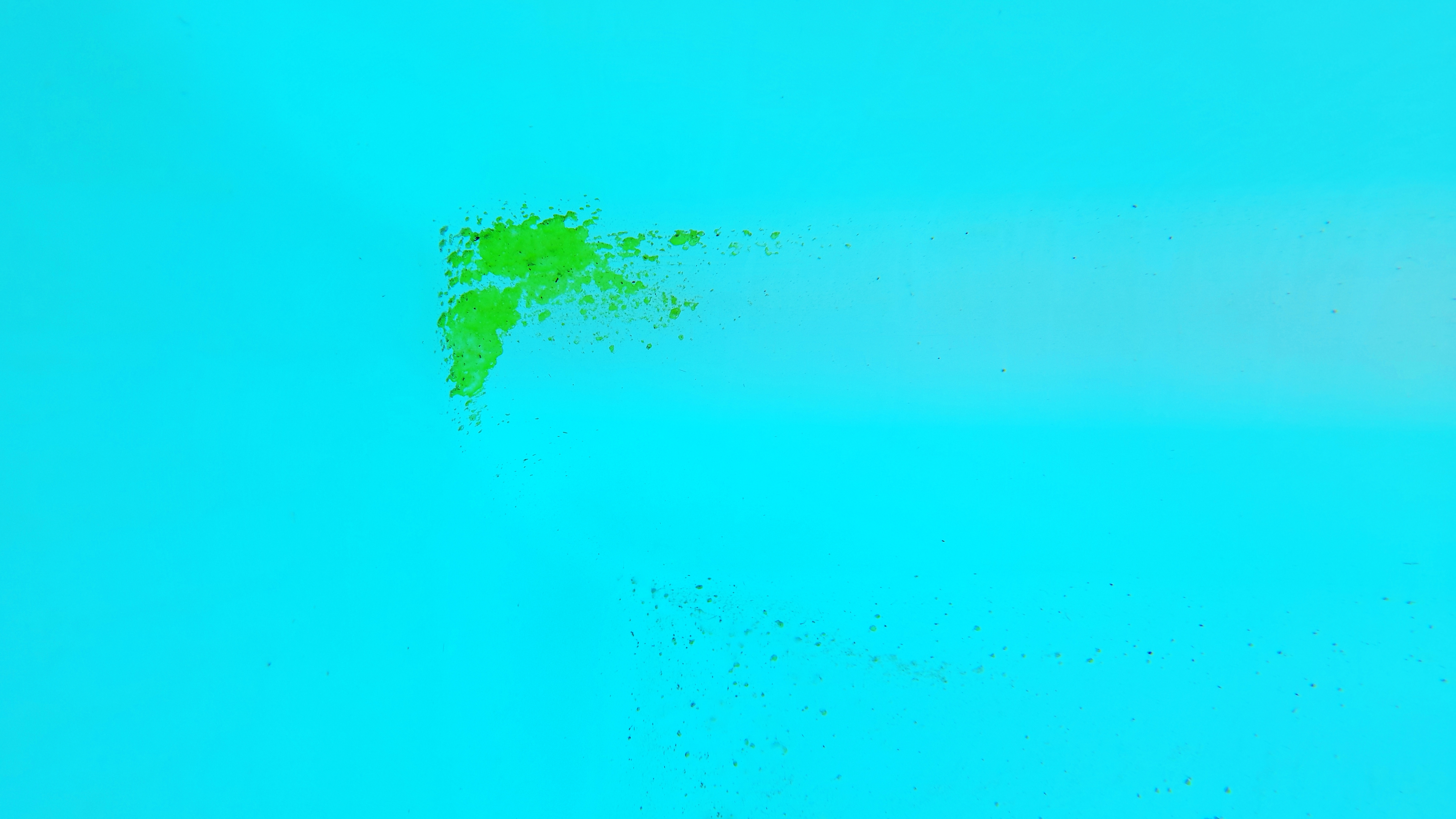
Mustard Algae can brush away from your pool’s walls and floor relatively easily, making it appear that it has been defeated when it’s really just lying in wait. It’s really good at surviving in your pool equipment and coming back from just a few spores, giving it the appearance of being solved before coming back stronger.
First of all, you want to ensure that you are really dealing with mustard algae and not pollen or other types of dirt. You want to avoid putting different chemicals in your pool when they’re not needed, so ensure you actually have a mustard algae infestation before taking any of the next steps. If you have a D.E. (Diatomaceous Earth) filter, ensure that it’s not D.E. powder being washed back into your pool. If you confirm that it is algae, then follow the following steps:
Brush all the nooks and crannies in your pool that algae can cling onto, especially around ladders and steps, returns, and in corners. Then make sure that you clean your equipment and anything else that may have been in the pool, such as floating accessories, pool toys, and floats as algae can cling to these and be reintroduced into your pool.
Make sure you clean your filter as well, as algae can settle in your filter media and be reintroduced that way. Swap out your cartridge on a cartridge filter, or clean your sand and D.E. filter thoroughly according to manufacturer instructions. Keep your chlorine levels high for roughly 72 hours, ensuring that you kill any mustard algae that gets circulated through the pool.
Before adding any chemicals to your pool, make sure that your water pool is properly balanced. After balancing, add your chosen algaecide such as Rx Clear® Yellow & Green Free or Yellow Out. Make sure to follow all of the instructions on the label to know the right dosage, and what your pool balance should be before adding.
In order to prevent algae from returning, always rinse off before you get in the pool, especially if you’re getting into it from a river or the sea, to prevent the chance of introducing contaminants into your pool.
For a more thorough guide to getting rid of algae, check out our blog How To Clean A Green Swimming Pool.
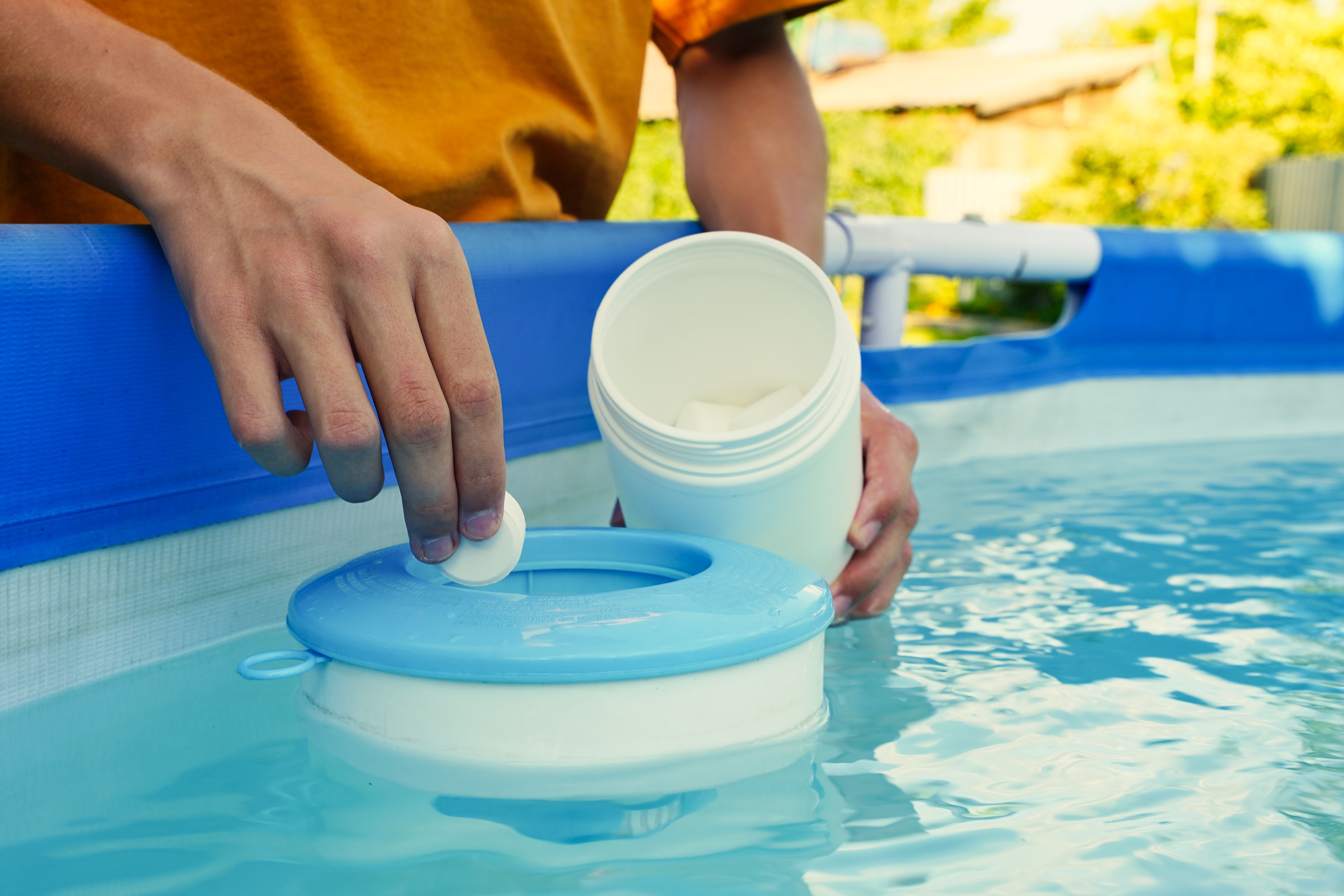
For those who don’t know, stabilizer, conditioner, and CYA all refer to cyanuric acid, which is basically sunscreen for your chlorine. It protects chlorine from breaking down under the sun’s UV rays, but if you add too much it can choke out your chlorine and make it less effective.
We recommend you maintain a chlorine level of 1 - 3 ppm, and 30 - 50 ppm of cyanuric acid of stabilizer. Chlorine needs to be a minimum of 7.5% of the cyanuric acid reading in order for it to be effective, which is why it’s so important to ensure you don’t overdose your pool with stabilizer. However, if you don’t have enough stabilizer, then you don’t have anything protecting your chlorine and it can be broken down by the sun in as little as a few hours, causing you to keep adding more to maintain safe swimming levels.
This is why it’s so important to keep your CYA in check, and keep up with testing and balancing your pool throughout the year.
For a complete guide on how to test your pool, check out our blog How To Easily Test Your Pool.
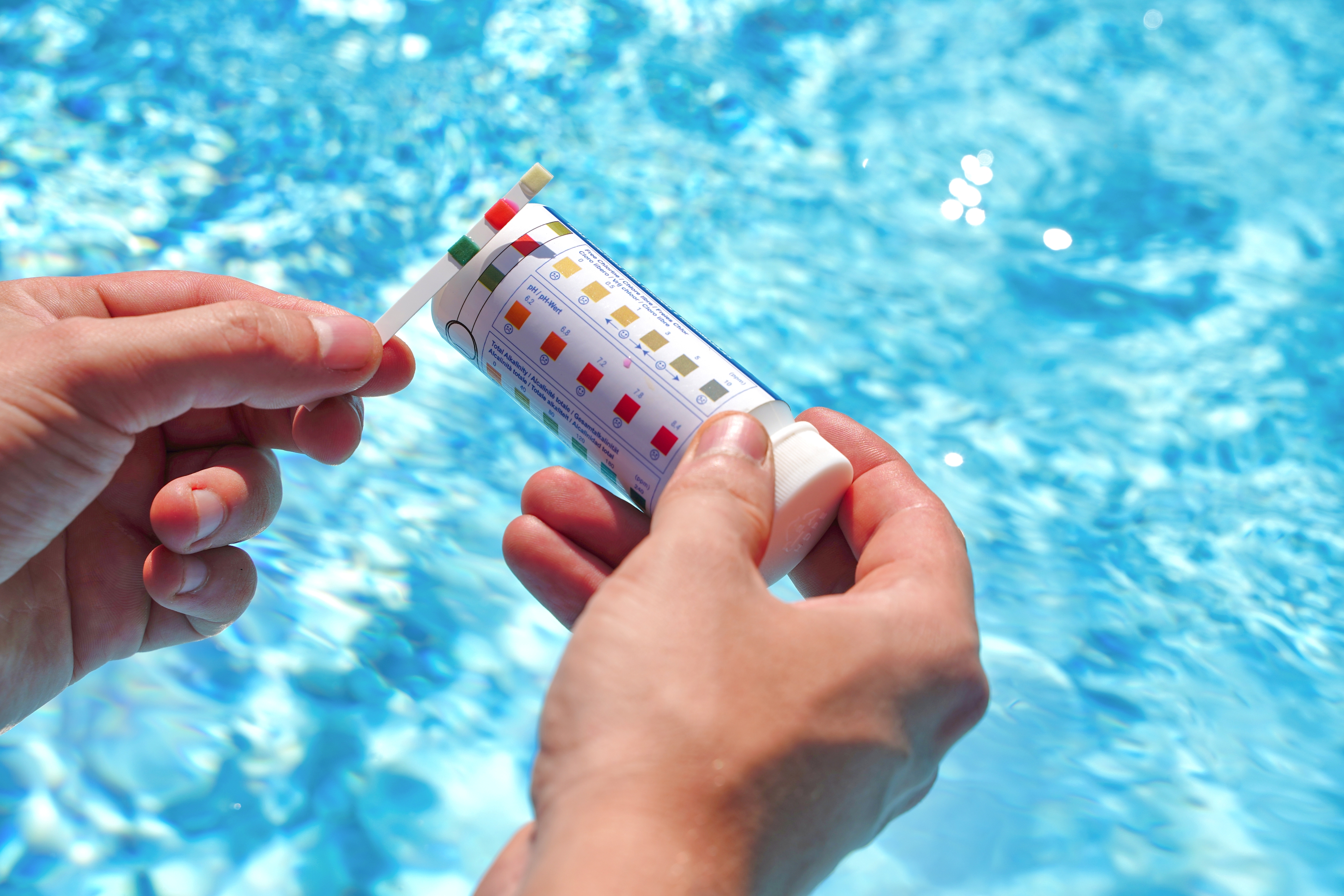
If your pH keeps rising, the solution isn’t to just keep adding a pH reducer every few days, but to understand the underlying issue behind the problem. One of the main culprits behind fluctuating pH levels can be your total alkalinity. Your total alkalinity levels can help create a buffer for your pH, and “lock” it in place.
Total alkalinity and pH have a very close relationship. Total alkalinity stabilizes and protects your pH, and if it’s too low then it will cause your pH to bounce all over the place. Rather than just adding acid, bring up the alkalinity first, and then bring down the pH and total alkalinity together.
Some of the things that can cause your pH to rise is a high total alkalinity, a salt generator, or anything that can aerate your pool such as your returns, spill over, bubblers or fountains. Aerating your pool can cause carbon dioxide to gas off, which raises the pH. Ensure your returns are pointed down, not at the surface of the water, and only run your bubblers when the pool is in use to reduce the amount of carbon dioxide being released into your pool.
For a complete guide on how to balance your pool, check out our blog How To Balance Pool Water. You should test your pool on a weekly basis, and make small adjustments in real time rather than just large adjustments when issues arise. This can prevent large, costly issues in the future by identifying problems as they come up, rather than waiting for them to become obvious later on.
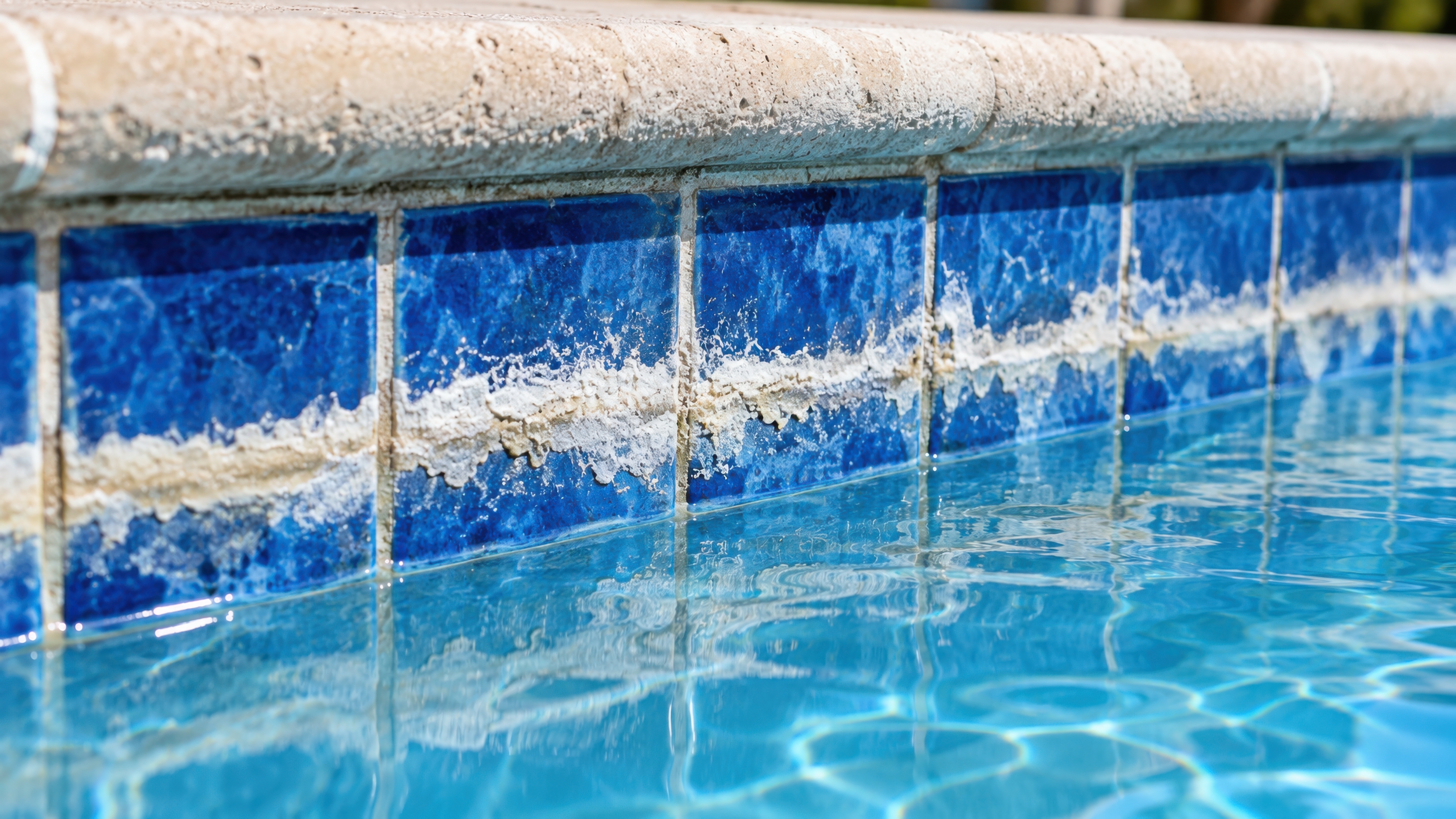
Our advice here tends to be a little less universal, and will need some more investigating from you to find the source of the stain.Solutions not only depend on the type of stain, but the surface type of your pool as well.
The first step is to identify what type of stain you’re looking at. This falls into three main categories: organic, metallic / mineral, and scale.
Organic stains are caused by things like leaves, berries, algae, and animals, and range in color from green to greenish-brownish-red. They could even be blue from some types of berries!
Metal stains can be in a variety of colors, and can either be identified by color or by a test kit telling you what metals you have a high concentration of in your pool. By testing weekly, you can often identify high levels of metal before they leave a stain that won’t come out of your pool.
Scale stains are white, brown, and grey, and are caused by hardwater, high chemical levels, or temperature fluctuations. As scale can form differently under different temperatures, one year you may not have any scale but develop a rampant scale problem the next.
For more details about pool stains, and how to remove them, check out our Stain Removers Buyer’s Guide.
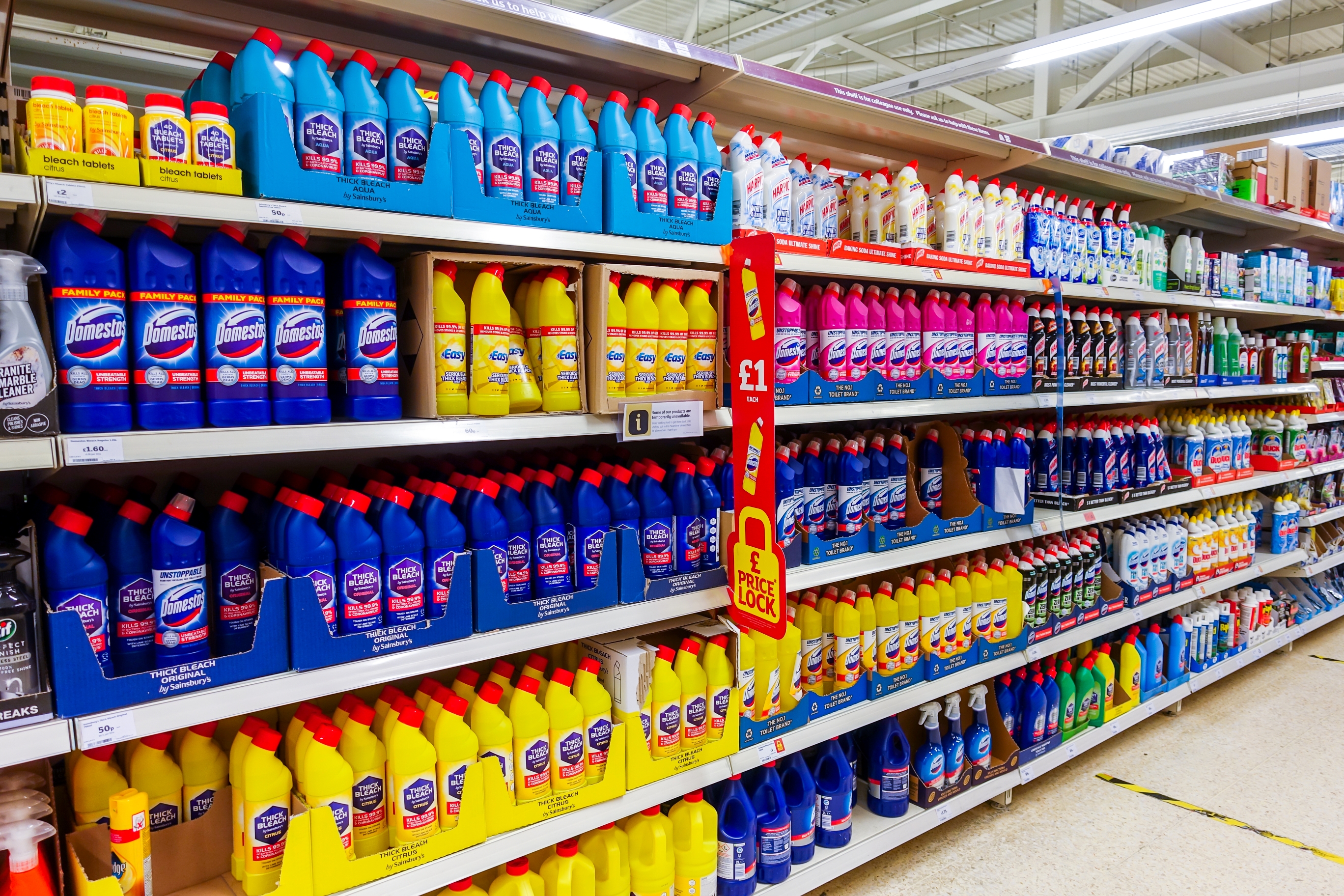
The cheapest bottle isn’t always going to be the cheapest fix, especially if you’re going in blind without testing your pool properly. Cheaper products may add additional chemicals to your pool, which can cause staining and additional issues in the future.
Buying grocery store brand chemicals can cause issues when they haven’t been properly formulated, or are at an inappropriate concentration. This can lead you to add too much or too little without realising it, especially if the bottle doesn’t have the correct usage guide.
The best way to reduce the amount of money spent on chemicals is by having a repeatable routine: testing, interpreting, adjusting, circulating, and then retesting. You should always follow labels, know the size of your pool in gallons, and know that just adding additional products isn’t always going to solve the issue.
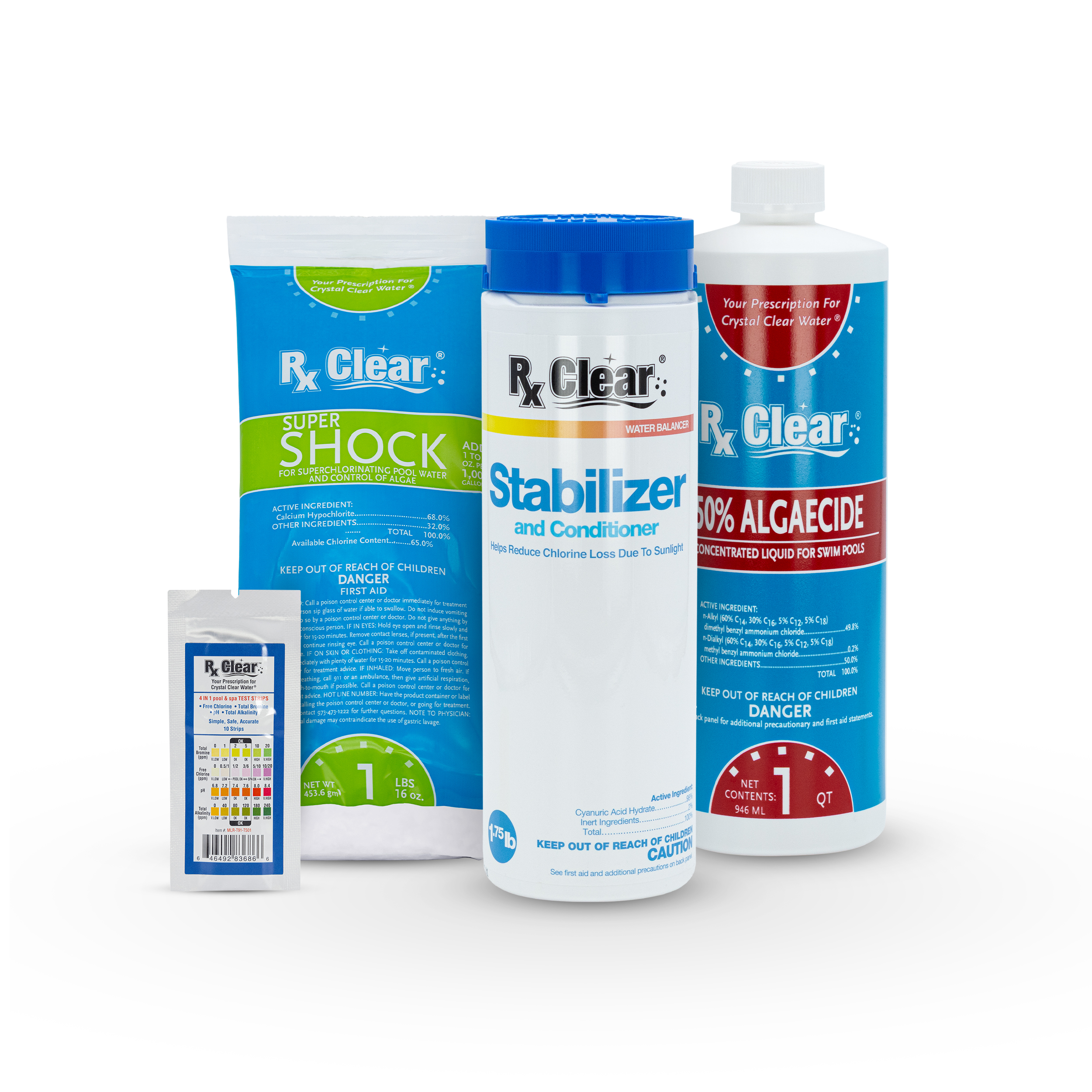
Let’s get one thing straight first, there’s some basic facts that you need to know about your pool in order to look after it properly, and knowing the size and gallons is the very first of those things. Before you purchase anything, understand what size pool you have and what its gallonage is. Once you know how much your pool holds, we sell kits with specific gallon ranges to help open, close, and maintain your pool.
These are great starter kits for those who are new to pool ownership, but you may not need everything every single time, so we sell everything individually as well.
Moving to a structured system like Rx Clear® opening kits, maintenance kits, and closing kits can take much of the guesswork out of pool chemistry, but testing remains fundamental to maintaining a properly balanced pool.
It’s important to understand what each chemical does, so we recommend you speak to one of our pool professionals if you do have any issues in your pool, as they can help you to find a solution.
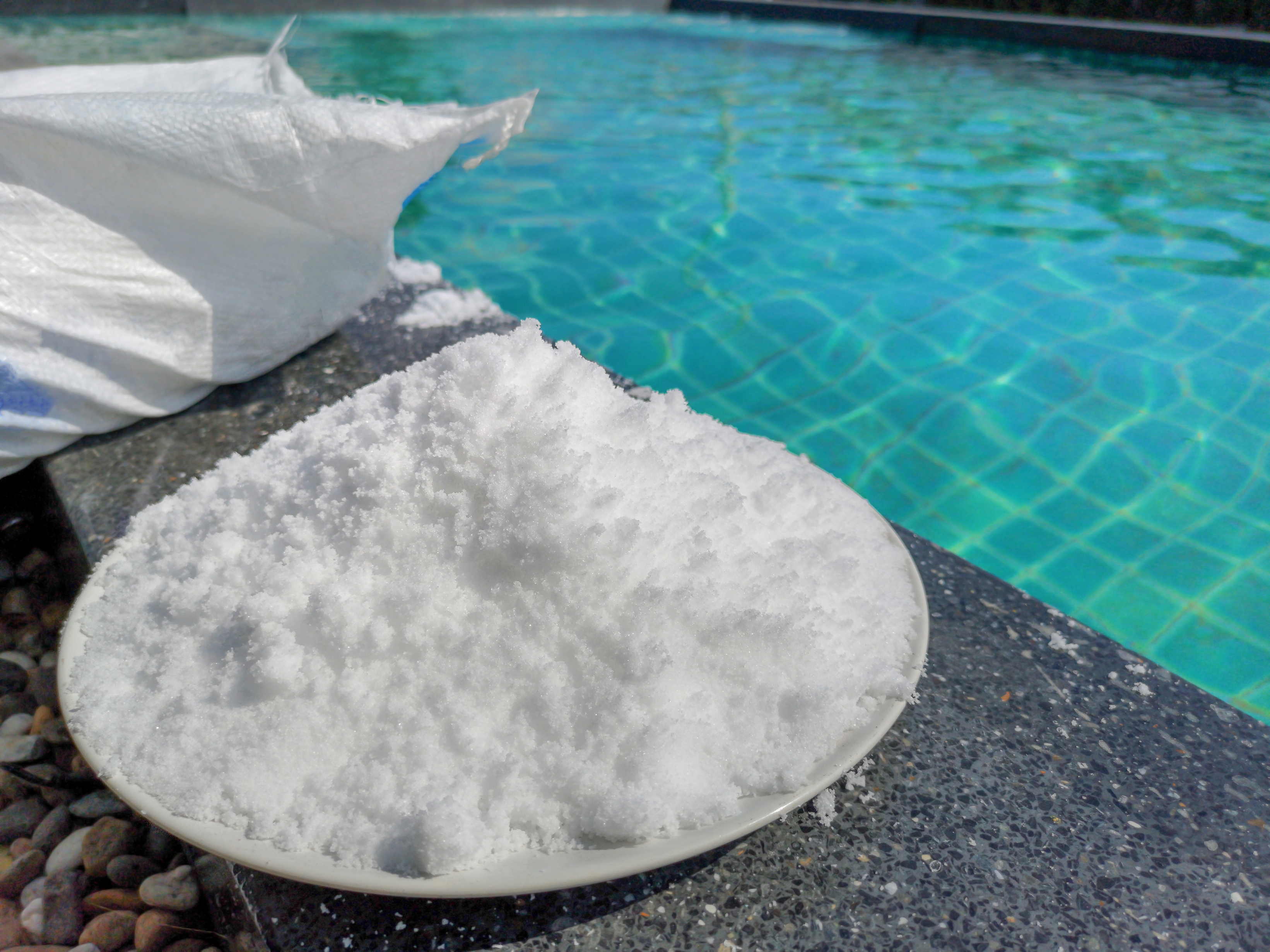
A salt system is a luxury, not a requirement, and it can get quite expensive. One of the most common chemistry issues we see with salt systems is pool owners thinking that they never need to touch a chemical bottle again, but you will still need to test your water and balance it at least weekly. If it’s rained a lot, if it’s too sunny, or if you’ve had a heavy bather load, then you’ll need to test your water to ensure that it’s all in balance. You may also need to add chemicals to fix issues you find.
A salt cell will only generate salt when it’s operating properly, so you have to make sure that the flow is working right, you’re at the right salt level, and that your salt cell is clean and operational. A salt cell will make a lot of things easier, but it doesn’t get rid of all maintenance.
Keeping your pH in check is more important with salt water generators, as salt water generators can cause your pH to slowly raise. You’ll still have to maintain your pH, your alkalinity, your calcium, and your stabilizer levels throughout the season and out of it.
A good tip is to write down everything that happened with your pool this summer, while it’s fresh in your mind. Write down any issues you had with algae, pH bounce, or staining. You can do some research now to see what chemicals and maintenance you might need to do in order to fix these recurring issues. Try checking out our blog or FAQs, or if they’re not answered there, call our pool professionals all year around.
Make a plan for any issues that you may know need attention. There may be some maintenance you’ve been putting off, which can cause bigger issues the longer that it’s left unaddressed.
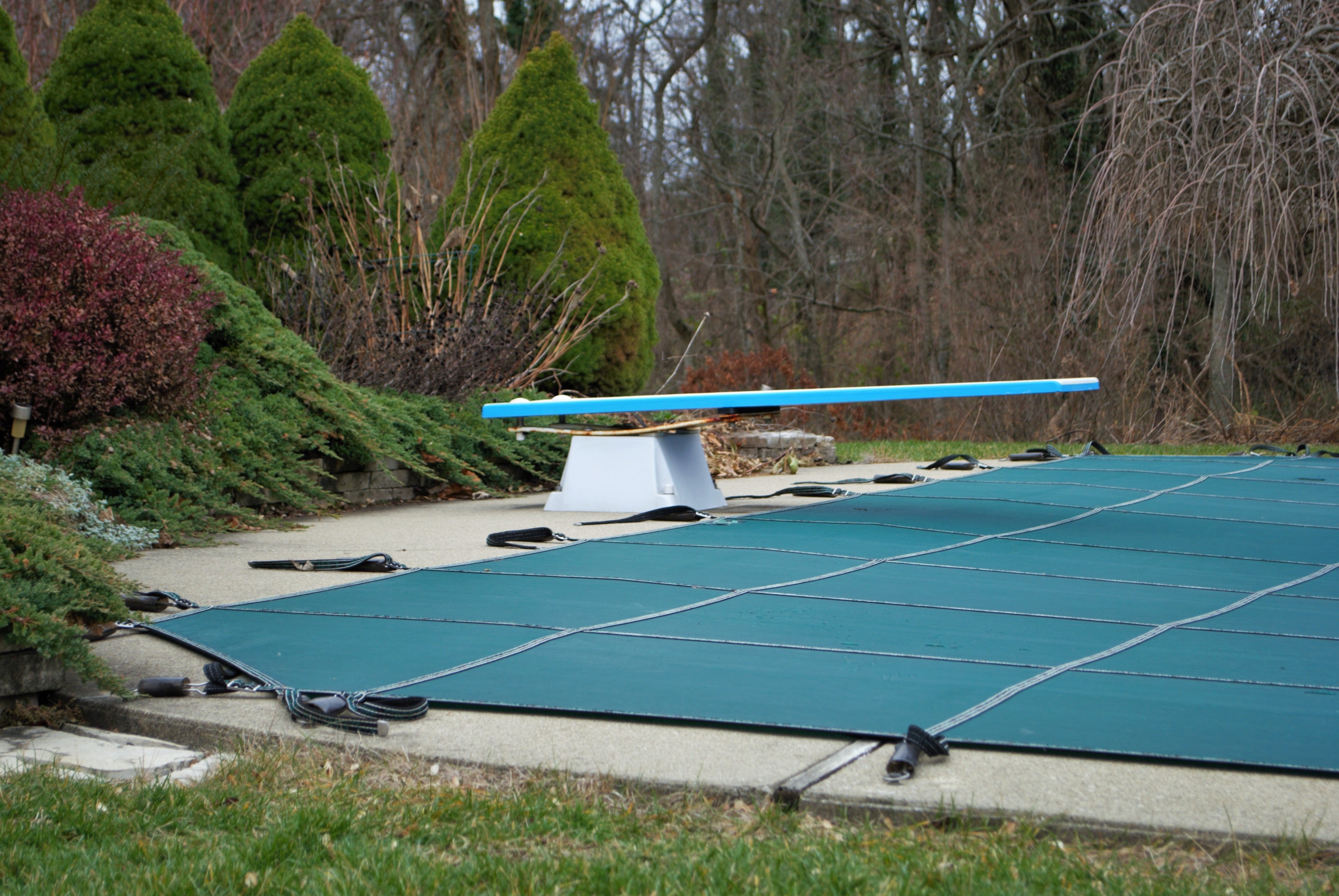
Keep your winter cover on tight to prevent debris and sunlight from getting into the pool. If you have an above ground pool, check the turnbuckle and winch, and for inground pool check your water bags. If you have a safety cover, you’ll want the inspect the springs and make sure your cover is still properly taut.


